
Keno: A Clear Guide to Number Draws
Keno is a quick number-selection game in the cards collection at jjj777, designed around a simple choice and a draw. This guide explains the round flow, the details worth checking, and how to keep play within a personal limit.
In brief, choose a number of selections only after reading the in-game rules, set a stake you can afford to lose, and compare your picks with the result. A Keno Demo, where available, can help you learn the interface; it cannot predict a future draw.
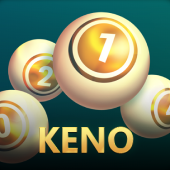
Keno at a glance
Keno belongs to the cards category in the jjj777 game list, while its familiar format centers on selecting numbers before a draw. The exact selection limits, stake options, payout table, and round controls are shown in the game itself, so check those details rather than assuming every version follows identical rules.
Use the main action only when you are ready to visit the platform; the icon and this button use the established jjj777 promotion action.
More quick picks beside Keno

These titles are suggestions from the same category, not links to separate detail pages. Selecting an item opens the usual platform destination.
What beginners should check in Keno
Start by confirming the rules and the maximum cost of a round. Keno can look effortless because the decision happens before the draw, but the number of picks and the chosen stake can change the way a payout table applies. Read the displayed table before confirming any entry.
First, note how many numbers you may select and whether the game allows a quick-pick option. Then check the draw schedule or round timing, the minimum and maximum stake, and how the result is settled. These are practical details, not clues about which numbers will appear.
A short pre-round routine
- Set a fixed entertainment budget before opening a round.
- Choose a small, consistent stake while learning the controls.
- Read the current payout table for the exact selection count.
- Pause when your planned time or budget limit is reached.
When a Keno Demo option is offered, treat it as interface practice: try the selection controls, follow a full round, and see where results appear. Demo activity does not prove that a real-money session will behave the same way in terms of outcomes or available settings.
Players comparing games on jjj777 should also distinguish presentation from probability. A past result, a streak, or a personal lucky number does not make a later draw due. Keep each decision independent and avoid increasing a stake to recover a previous loss.
If you need a broader checklist before using an account, read the jjj777 safety guide. It covers cautious access habits and sensible boundaries without promising a particular result.
The Keno round: simple choices, a clear pause
The experience is defined by a brief selection stage followed by a result reveal. That compact rhythm makes Keno easy to understand at a glance, but a quick pace can also encourage repeated play; decide your stopping point before you begin.
The visual focus is usually on a numbered field, selected markers, and a draw result. The useful information is functional: which picks are active, what the current stake is, when a round is locked, and where the payout explanation can be opened. Scan the controls first, especially on a small screen, rather than tapping through unfamiliar prompts.
How to read a round without over-reading it
Separate the action into three moments. Before entry, review the selection and cost. During the draw, wait for the result rather than changing your plan impulsively. After settlement, compare the outcome with the published rules. This keeps the process understandable even when the result is disappointing.
A Keno Demo can be useful for learning where the number board and history panel sit, if those features are available. It is not a forecast tool, and a sample sequence should not be treated as evidence of a pattern. The same principle applies to notes from earlier rounds: records describe what happened, not what must happen next.
Selection
Check the active numbers and permitted pick count before confirming.
Round pace
Use the interval between draws as a reminder to stay within your limit.
For a different kind of quick decision, compare the board-style rhythm with Plinko. Each game has its own rules, so make a fresh check instead of carrying assumptions across titles.
Common Keno questions, answered
If you are exploring the wider catalogue, the Golden Genie game guide provides another example of how to approach a title by first checking its own instructions.
The key Keno facts to remember
The short version: Keno is a number-draw game listed in the cards category; a round involves selections, a stake, and a comparison with drawn numbers. Exact rules and payout terms should always be checked in the game.
Game type
Cards category; number-selection draw format.
Core decision
Review picks, stake, and current rules before entry.
Outcome
Chance-based; no selection method guarantees a win.
Good boundary
Set a time and spending limit before starting.
A Keno Demo may help explain the interface if available, but it should be used for orientation rather than forecasting. The safest approach is a small, pre-set entertainment budget, a careful read of the paytable, and a firm stop point.
For new visitors to jjj777, keep the sequence straightforward: confirm you are using the platform you intended to visit, understand the controls, and make no decision under pressure. You can leave the game at any time; taking a break is always a valid choice.
Explore Keno at your own pace
Review the rules, choose a personal limit, and use the official platform action only when you are ready. No result is guaranteed; play for entertainment and take breaks.